
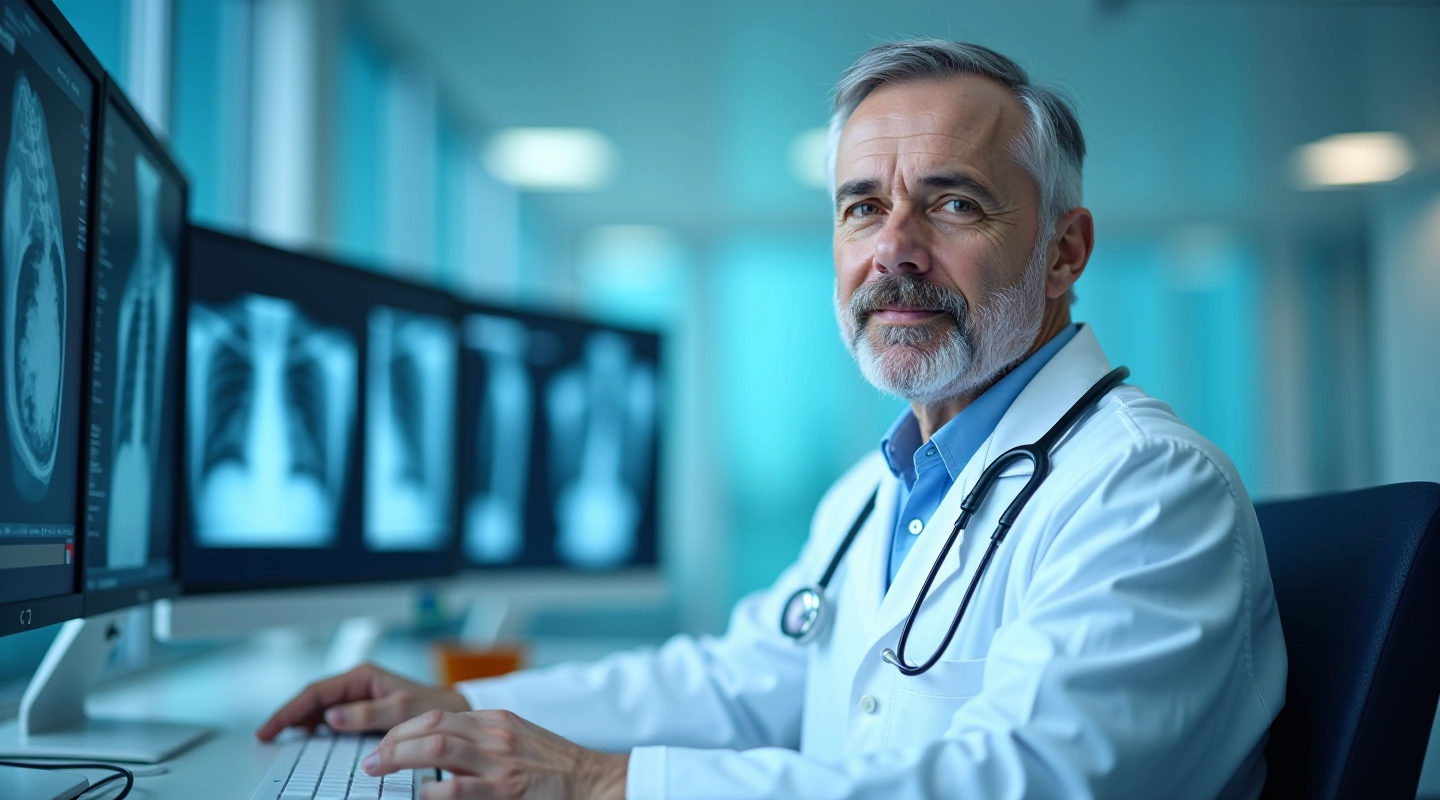
Understanding Medical Imaging Classification Systems
How AI algorithms learn to identify patterns in X-rays, CT scans, and MRIs — the foundational technology powering diagnostic imaging in modern hospitals.
How artificial intelligence is transforming emergency department workflows, reducing wait times, and improving patient outcomes through intelligent prioritization systems.
By
Editorial Team
Written by the MediScan AI Editorial Team, focused on practical, honest guidance for healthcare professionals implementing AI in diagnostic workflows.
Emergency departments face an ongoing crisis. Overcrowding, long wait times, and resource constraints force clinicians to make rapid decisions with incomplete information. Every minute matters when someone's having a heart attack or struggling to breathe. The problem isn't a lack of skilled staff — it's the sheer volume of patients arriving simultaneously with varying severity levels.
Traditional triage systems rely on visual assessment and brief questioning. A nurse quickly evaluates symptoms and assigns a priority level. It's effective for obvious cases — someone bleeding heavily gets seen immediately. But what about the patient with subtle symptoms? Chest discomfort that might be anxiety or might be cardiac? Abdominal pain that could be anything? These are the cases that slip through, where delayed assessment can turn a manageable situation into a critical one.
Hospitals report that 15-20% of ED patients require reassessment within 30 minutes because initial triage didn't capture the full picture. That's not a failure of the nurses — it's a limitation of human cognition under pressure. We simply can't process all available data simultaneously while managing the constant flow of new arrivals.
AI-powered triage systems don't replace the nurse — they augment their judgment. Here's the practical reality: when a patient checks in, they typically complete a digital intake form or speak with an intake clerk. That information feeds into an AI algorithm trained on thousands of historical cases.
The system analyzes vital signs, presenting symptoms, medical history, and demographic factors. It's looking for patterns that humans might miss. If someone reports chest discomfort plus shortness of breath plus a history of hypertension, the algorithm flags this as high-risk cardiac presentation. If another patient has mild headache with no fever and normal vitals, it's classified as lower acuity.
The output isn't a definitive diagnosis — it's a risk stratification. The AI might say "this patient has a 78% probability of needing emergency imaging" or "this presentation is consistent with non-emergent care patterns." The nurse uses this as a tool, not a directive. They can override the recommendation if they see something the system missed. In practice, they agree about 85-90% of the time.
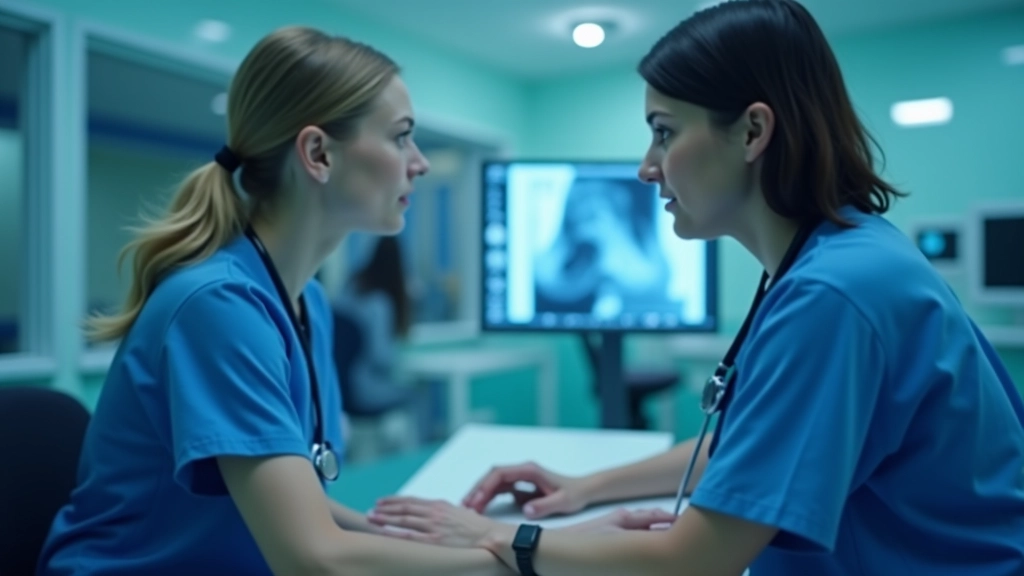
Hospitals that've implemented AI triage report measurable changes. We're not talking about dramatic overnight transformations — it's more subtle than that. Average ED wait time drops 10-15%. More importantly, the proportion of patients who get seen quickly for serious conditions increases.
One major medical center shared their experience: during a particularly busy Saturday night, the AI system flagged a patient presenting with vague symptoms as high-risk sepsis. The initial triage nurse had classified them as moderate acuity. Because the system highlighted the risk, blood cultures got drawn immediately. Two hours later, sepsis was confirmed. That patient went directly to the ICU with antibiotics already started. That's the kind of outcome that matters — not just faster throughput, but better care.
Implementation isn't plug-and-play though. It takes 4-6 weeks for ED staff to trust the system and understand how to work with it effectively. Some hospitals underestimated this adjustment period and experienced initial resistance. The ones that invested in training and change management saw adoption happen naturally.
We should be direct about what AI triage can't do. These systems work well with structured data. Vital signs, age, basic symptoms — that's quantifiable. But medicine isn't only about numbers. Sometimes a patient's appearance, their tone of voice, or subtle behavioral cues tell you something's seriously wrong. A computer can't pick up on that yet.
There's also the data bias problem. Most AI systems are trained on historical data from major medical centers, often with predominantly certain demographics. If the training data underrepresented women with cardiac presentations, the system might not flag them appropriately. Good implementations include active monitoring for these disparities and regular audits.
Privacy and security matter too. Patient information is sensitive. Any system handling it needs robust encryption, access controls, and audit trails. Hospitals need confidence that their triage AI isn't going to leak data or get compromised. That's not a minor concern — it's foundational.
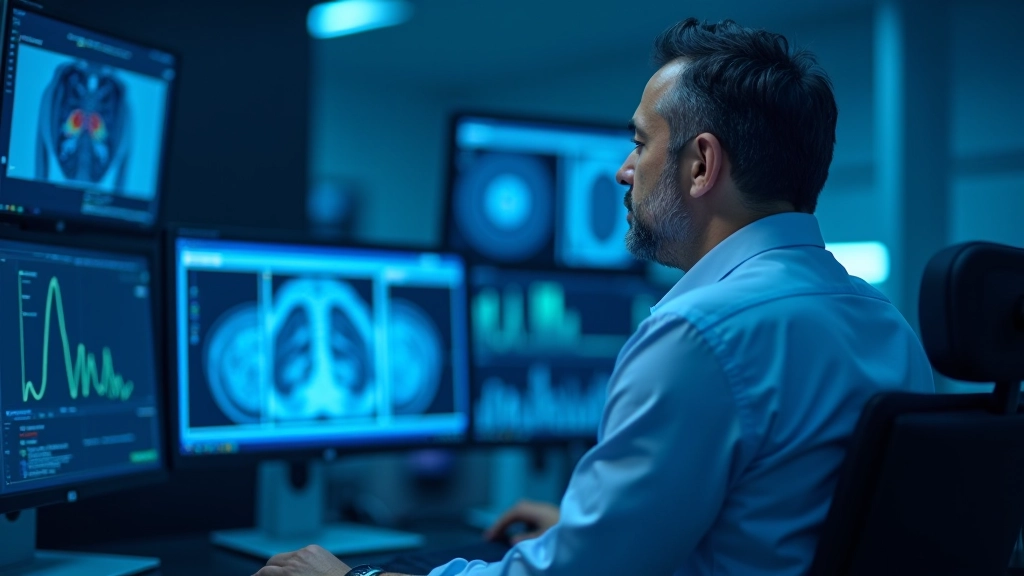
This article is informational only and is not medical advice. AI triage systems are tools that support clinical decision-making but don't replace qualified healthcare professionals. If you're experiencing a medical emergency, call emergency services immediately. For individual health concerns, please consult with a qualified healthcare provider who can evaluate your specific situation.
The technology's evolving rapidly. Current systems primarily use structured data input. Future systems will likely integrate real-time patient monitoring, continuous vital sign feeds from wearables, and even preliminary imaging analysis. Imagine a patient arriving with chest pain and the system already having access to their recent ECG from home monitoring plus their latest blood pressure trends. That's not science fiction — some research institutions are testing this now.
Natural language processing is improving too. Systems are getting better at extracting meaning from free-text nurse notes. Instead of requiring structured input, clinicians might simply dictate patient presentation and have the AI extract relevant features automatically.
The real opportunity isn't replacing human judgment — it's extending human capacity. Emergency medicine is hard partly because the information load is overwhelming. Better tools that organize and highlight relevant patterns help experienced clinicians make better decisions faster. That's worth pursuing carefully.

AI triage systems represent a practical step forward in emergency medicine. They're not perfect, but they're demonstrably helpful. When implemented thoughtfully with proper training and oversight, they help get sicker patients to care faster. They reduce some of the cognitive burden on nurses during overwhelming shifts. They catch things that might otherwise be missed.
The key isn't choosing between AI or human judgment — it's thoughtful integration. The best triage happens when skilled clinicians have access to intelligent tools that surface important patterns in patient data. That's the direction worth moving in. For hospitals considering implementation, the investment makes sense, but success depends on realistic expectations and proper change management. You're not replacing your triage nurses. You're giving them better information to work with.
How AI algorithms learn to identify patterns in X-rays, CT scans, and MRIs — the foundational technology powering diagnostic imaging in modern hospitals.
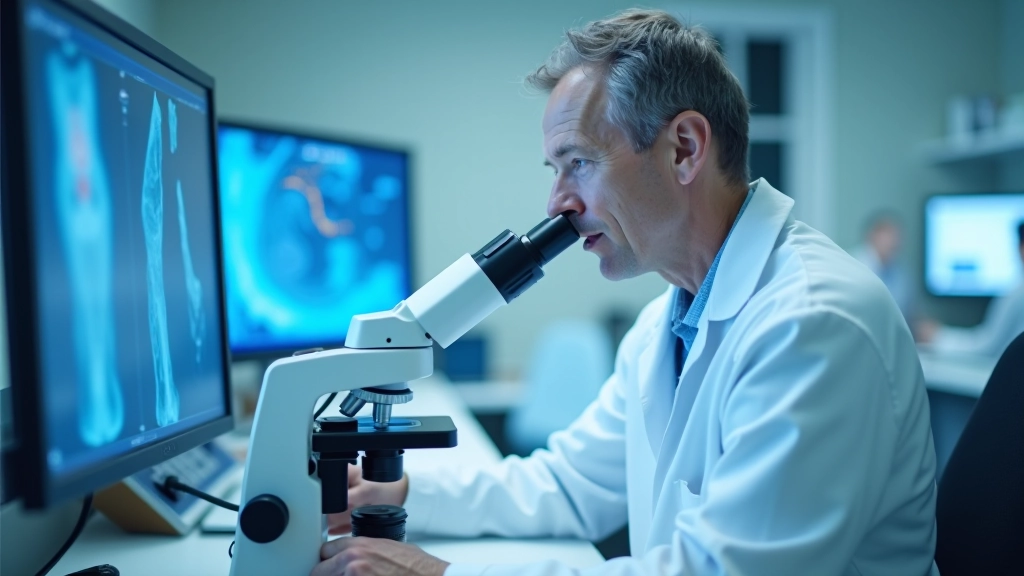
Exploring how AI assists pathologists in analyzing tissue samples with greater precision and consistency, reducing diagnostic variability.

A practical guide to the real obstacles hospitals face when integrating AI diagnostic tools into existing clinical workflows.